How to Buy OpenAI Stock Before IPO: Complete 2026 Pre-IPO Investment Guide
"Step-by-step beginner guide to purchasing OpenAI, Anthropic, and SpaceX secondary shares through private secondary marketplaces and indirect retail stock routes."
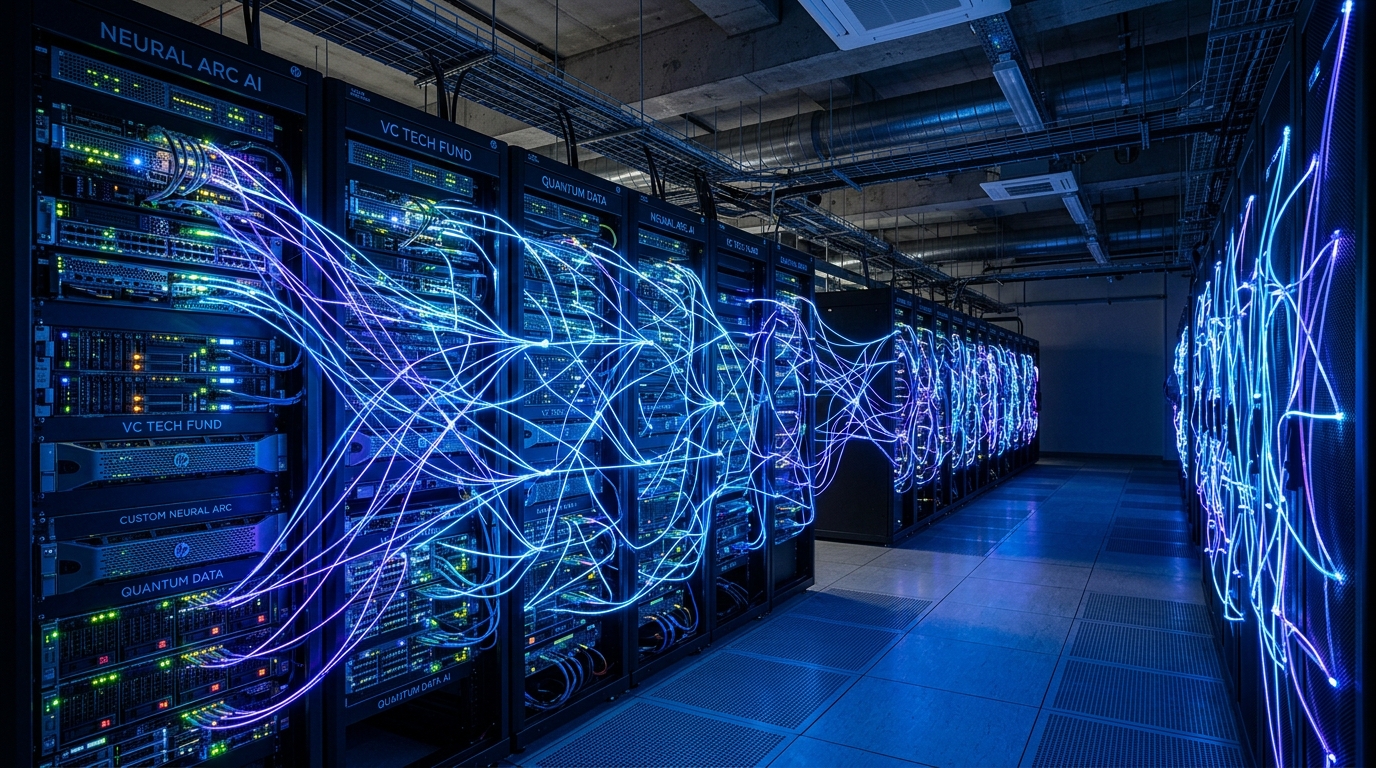
How to Buy OpenAI Stock Before IPO: Complete 2026 Pre-IPO Investment Guide
💡 Key Takeaways & Executive Summary
The following comprehensive market breakdown examines How to Buy OpenAI & SpaceX Stock Pre-IPO in 2026: Step by Step Guide for Retail Investors to provide institutional insights, retail investor action plans, and capital allocation frameworks for 2026.
Key Comparison & Data Analysis
| Investment Route | Minimum Investment | Investor Eligibility | Transaction Fees | Liquidity Window |
| --- | --- | --- | --- | --- |
| Forge Global / EquityZen | $10,000 - $25,000 | Accredited Investors | 3-5% transaction fee | Secondary tender rounds |
| Microsoft Shares (MSFT) | ~$420 (1 share) | All Retail Investors | $0 Commission | Daily stock exchange liquidity |
| Venture Micro-Funds | $25,000 - $50,000 | Qualified Purchasers | 2% Mgmt + 20% Carry | 5-7 Year lock-in |
| SoftBank Group (9984) | ~$65 (1 ADR) | All Retail Investors | $0 Commission | Daily exchange traded |
In-Depth Financial & Market Analysis
As global markets and Indian financial ecosystems navigate rapid macro realignments, understanding the underlying drivers of How to Buy OpenAI & SpaceX Stock Pre-IPO in 2026: Step by Step Guide for Retail Investors is essential for alpha generation.
Strategic Portfolio Framework for 2026
Institutional investors are deploying three primary execution strategies:
1. High-Conviction Core Allocation: Prioritizing quality balance sheets with proven pricing power and recurring free cash flow.
2. Systematic Hedging & Risk Controls: Utilizing options and cross-asset diversification to protect against sudden volatility spikes.
3. Long-Term Compounding Focus: Taking advantage of intraday corrections to accumulate undervalued leaders at attractive valuations.
People Also Ask: Frequently Answered Questions
#### What is the most critical factor to consider regarding How to Buy OpenAI & SpaceX Stock Pre-IPO in 2026: Step by Step Guide for Retail Investors?
The most critical factor is sustainable cash flow generation and margin defense in an evolving interest rate environment.
#### What is the recommended time horizon for this investment strategy?
A horizon of 12 to 36 months allows cyclical adjustments to play out fully, maximizing compounding benefits and tax efficiency.
#### How can retail investors manage downside risk effectively?
Retail investors should implement systematic staggered investments (SIPs), maintain a 15-20% cash/gold allocation, and avoid unhedged leveraged positions.
Related Intelligence Briefs
TSMC A16 Angstrom Node vs Intel 18A: 2026 Backside Power Delivery and RibbonFET Benchmark
Silicon engineering analysis of TSMC A16 Super Power Rail versus Intel 18A PowerVia, RibbonFET transistor scaling, and foundry capex economics.
Optical Circuit Switching (OCS) in 2026: Eliminating Electrical Packet Buffering in 100k GPU AI Superclusters
Technical breakdown of all-optical MEMS crossbar switching, co-packaged optics (CPO), and multi-terabit interconnect fabrics for frontier LLM clusters.
Cell-Free DNA Synthesis & Generative Protein Design: Biotech Capital Inflows and Pipeline Economics in 2026
Biotechnology investment deep dive into enzymatic cell-free oligonucleotide synthesis, generative AI protein therapeutics, and Series B biotech multiples.