NIST Post-Quantum Cryptography Standards: Enterprise Migration Roadmap and Kyber-ML-KEM Deployment
"Complete technical guide to deploying NIST-standardized quantum-safe algorithms including ML-KEM (Kyber) and ML-DSA (Dilithium) before Q-Day."
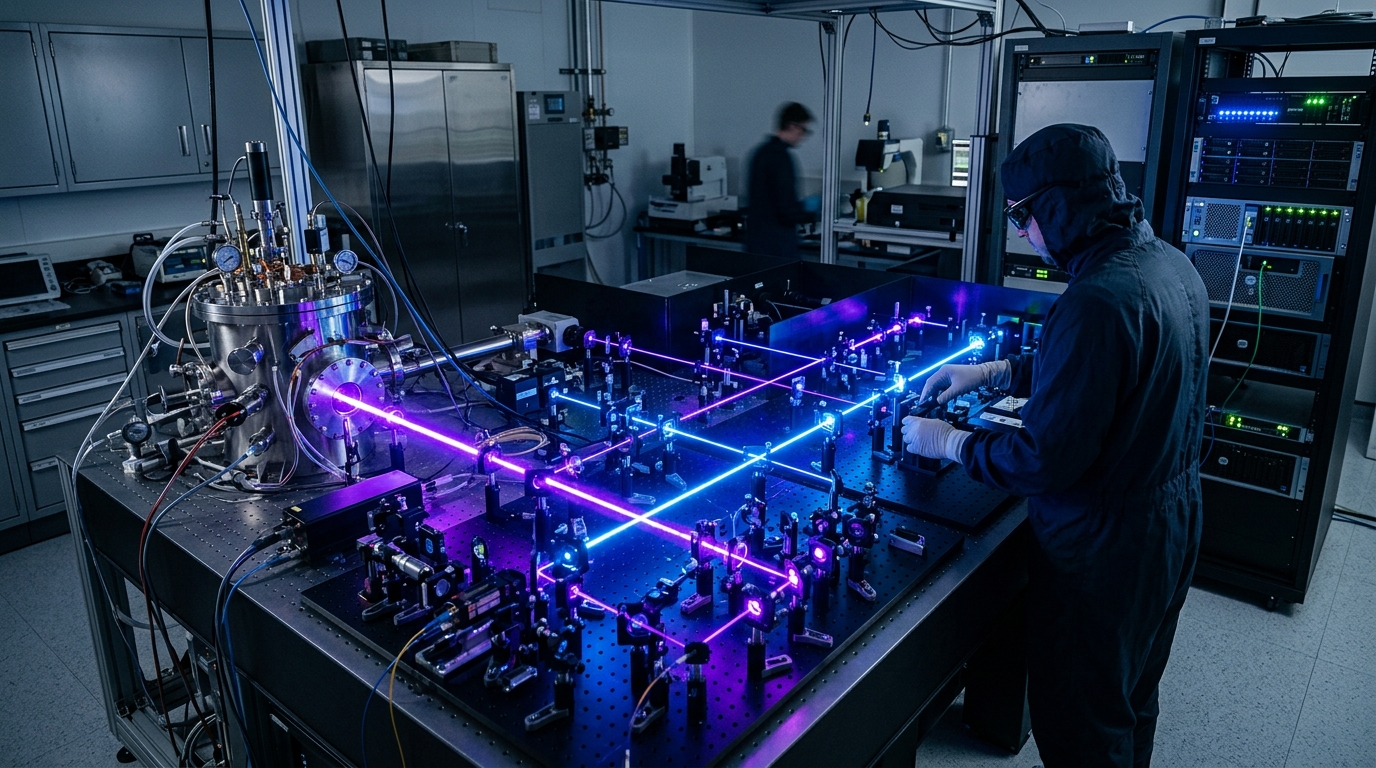
The Post-Quantum Horizon & NIST FIPS Standards
With NIST officially publishing FIPS 203 (ML-KEM / Kyber), FIPS 204 (ML-DSA / Dilithium), and FIPS 205 (SLH-DSA / SPHINCS+), modern enterprise cybersecurity is transitioning from theoretical quantum security to mandatory architectural replacement of RSA and Elliptic Curve Cryptography (ECC).
Adversaries currently execute "Harvest Now, Decrypt Later" (HNDL) attacks against encrypted financial and defense telecommunications. Organizations must implement hybrid post-quantum cipher suites across all public-facing TLS terminations immediately.
🔐 Official NIST Post-Quantum Standards Reference
| FIPS Designation | Primary Algorithm | Cryptographic Category | Key Size / Public Key | Primary Use Case |
| :--- | :--- | :--- | :--- | :--- |
| FIPS 203 | ML-KEM (Module-Lattice) | Key Encapsulation (KEM) | 1,184 Bytes (Level 3 / Kyber-768) | TLS 1.3 Key Exchange & VPN Tunnels |
| FIPS 204 | ML-DSA (Module-Lattice) | Digital Signature | 1,952 Bytes Public Key | Identity Verification, PKI, Code Signing |
| FIPS 205 | SLH-DSA (Stateless Hash) | Digital Signature | 32 Bytes Public / 7,856B Sig | High-Security Firmware & Root CA |
| FIPS 206 | FN-DSA (Falcon Lattice) | Digital Signature | 897 Bytes Compact Sig | Bandwidth-Constrained IoT & Satellite |
---
🛠️ Implementing Hybrid X25519 + ML-KEM in TLS 1.3
To ensure backward compatibility and protect against zero-day vulnerabilities in novel lattice mathematics, enterprise architects utilize hybrid key exchange. This combines classical ECDH (X25519) with lattice-based ML-KEM-768:
# Nginx Configuration Example: Enforcing Post-Quantum Hybrid Cipher Suites
ssl_protocols TLSv1.3;
ssl_ecdh_curve X25519Kyber768Draft00:x25519:secp384r1;
ssl_ciphers TLS_AES_256_GCM_SHA384:TLS_CHACHA20_POLY1305_SHA256;
ssl_prefer_server_ciphers on;
When an enterprise client connects:
1. The client sends a dual ClientHello offering both classical elliptic curve parameters and an ML-KEM encapsulation token.
2. Even if a quantum adversary constructs an 8,000-qubit fault-tolerant quantum computer executing Shor's Algorithm, the ML-KEM lattice layer remains unbreakable under Module Learning with Errors (M-LWE) assumptions.
---
📋 4-Step Enterprise Migration Roadmap
1. Cryptographic Discovery & Inventory: Deploy automated network packet analyzers to identify all legacy RSA-2048/3072 certificates, VPN tunnels, and encrypted database columns.
2. Hybrid TLS Edge Termination: Update reverse proxies (Cloudflare, AWS ALB, Envoy) to support hybrid KEM handshakes.
3. Public Key Infrastructure (PKI) Overhaul: Transition internal certificate authorities (HashiCorp Vault, Microsoft Active Directory CS) to support extended X.509 certificate fields accommodating 2KB+ public keys.
4. Code Signing & Root of Trust: Replace RSA firmware signatures with SLH-DSA hash-based algorithms to guarantee permanent validity over 30-year operational hardware lifespans.