Federal Reserve Quantitative Easing Pivot: How Dollar Liquidity Surges Impact Global Sovereign Debt in 2026
"In-depth macroeconomic analysis of the Fed's liquidity framework, Treasury yield curve inversion un-inversion, and sovereign foreign exchange pressures."
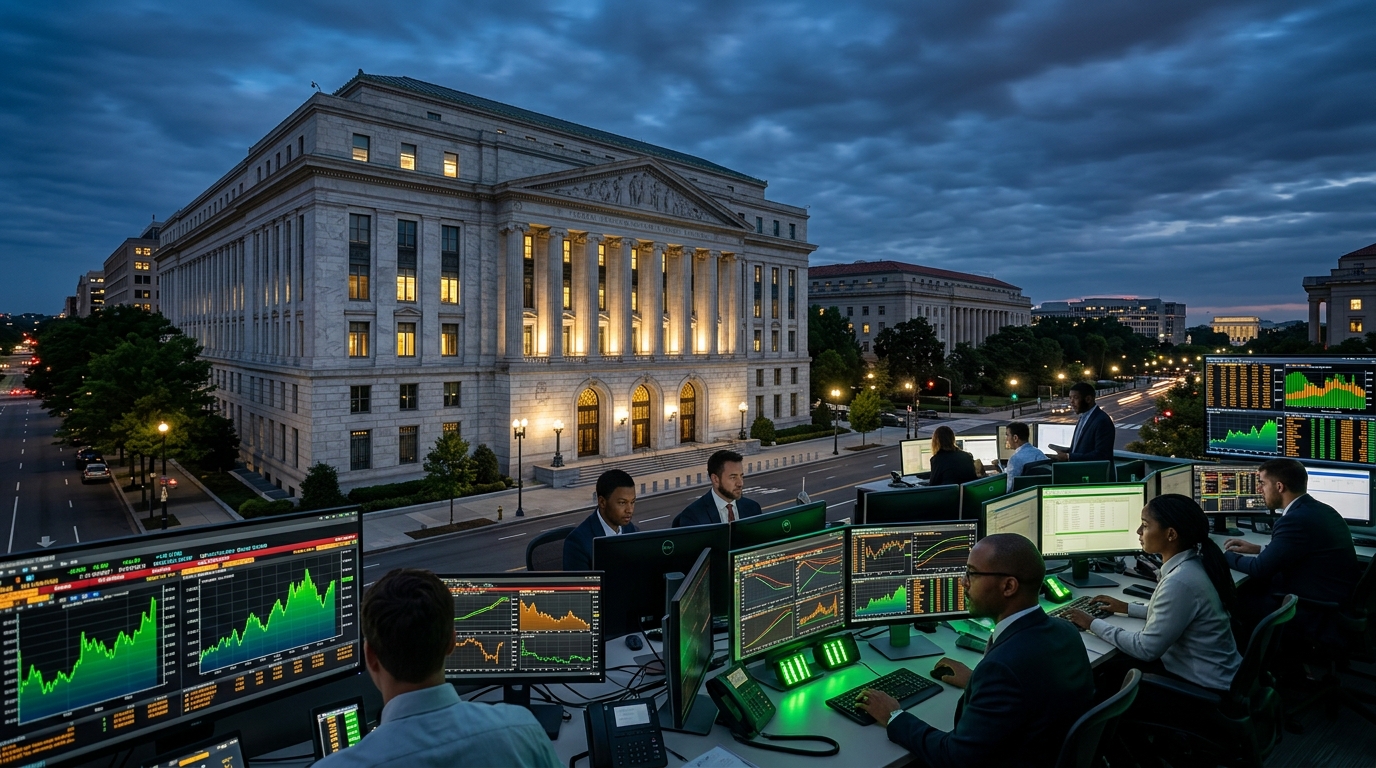
Global Central Banking at the Monetary Crossroads
The Federal Reserve's balance sheet management has entered a definitive pivot phase in late 2026. With the complete depletion of the Overnight Reverse Repo Facility (ON RRP) from its multi-trillion dollar peaks, the Federal Reserve has halted Quantitative Tightening (QT) and reintroduced programmatic Treasury liquidity facilities to maintain reserves above the "LCLoR" (Lowest Comfortable Level of Reserves) threshold.
This shift exerts monumental ripple effects across international foreign exchange markets, sovereign debt spreads, and emerging market capital inflows.
🏛️ Fed Balance Sheet & Macro Indicators (2026 Snapshot)
| Monetary Parameter | 2024 Benchmark | Late 2026 Metric | Macroeconomic Significance |
| :--- | :--- | :--- | :--- |
| Fed Total Balance Sheet Assets | $7.2 Trillion | $6.4 Trillion | Quantitative Tightening Halted |
| Overnight Reverse Repo (ON RRP) | $450 Billion | < $35 Billion | Cash Buffer Exhausted |
| 10Y - 2Y Treasury Yield Spread | -15 bps (Inverted) | +48 bps (Steepening) | Classic Economic Cycle Transition |
| US Dollar Index (DXY) | 104.50 | 97.80 | Broad USD Softening / Easing Pressures |
| Bank Reserves at Federal Reserve | $3.25 Trillion | $3.12 Trillion | Preserving Ample Reserve Regime |
---
🌊 The Mechanics of the Global Dollar Shortage
The US Dollar represents 85% of global foreign exchange transactions and approximately 60% of official foreign currency reserves. When dollar liquidity contracts, international cross-border corporations face refinancing stress:
1. Offshore Dollar Funding Pressure: Non-US banks rely on cross-currency basis swaps to borrow short-term greenbacks. Negative basis spreads force European and Asian financial institutions into higher cost-of-capital structures.
2. The Sovereign Carry Trade Unwind: As interest rate differentials between the Federal Reserve and international central banks narrow, speculative carry trade capital re-evaluates risk premiums across Latin America and Asia.
---