Solid-State Lithium-Metal Batteries in 2026: Commercial 500 Wh/kg Energy Density and EV Fleet Economics
"Analysis of solid-state lithium-metal cells achieving 500 Wh/kg energy density, 12-minute fast charging, and zero dendrite formation in automotive testing."
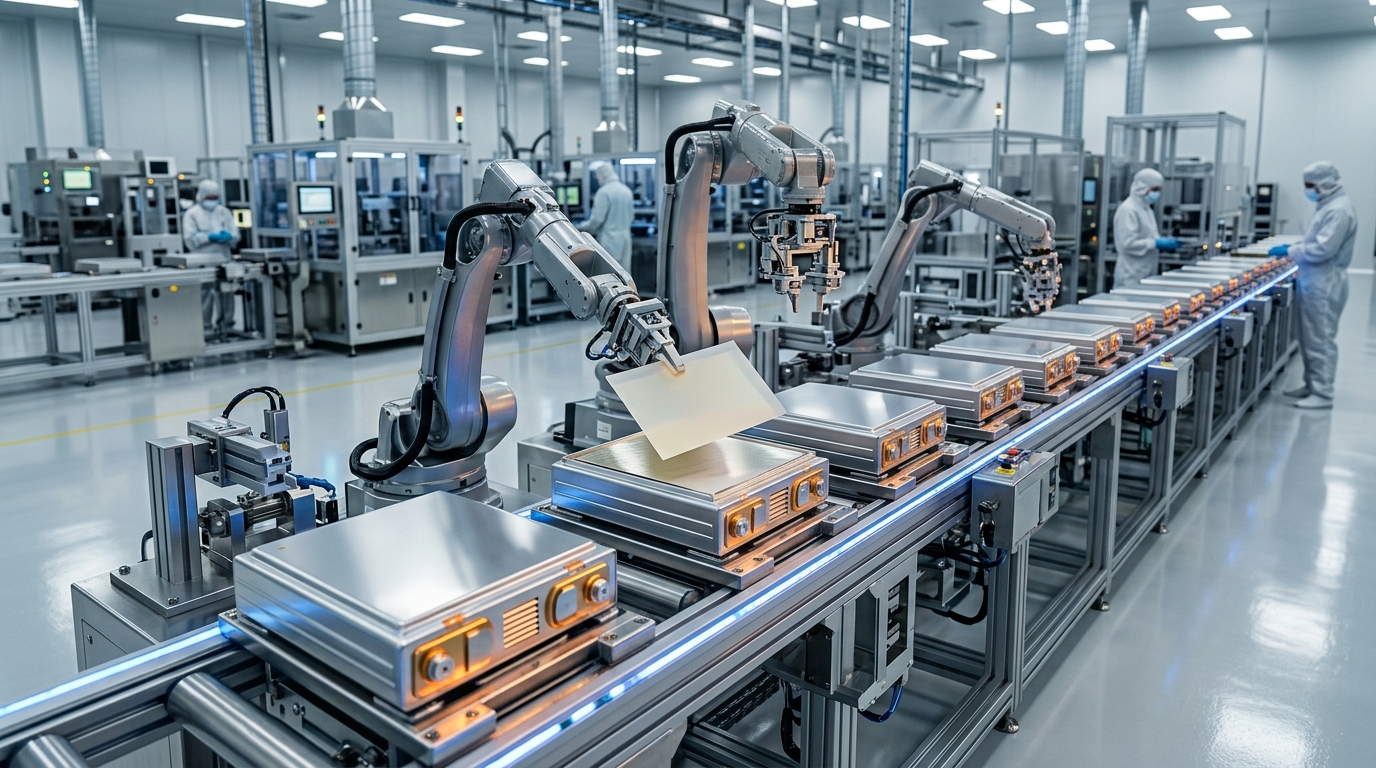
The Automotive Battery Paradigm Shift
Electric vehicle (EV) engineering has encountered the practical physicochemical ceiling of traditional liquid-electrolyte lithium-ion chemistries (~280 Wh/kg). In late 2026, the transition to solid-state lithium-metal cells is unlocking commercial gravimetric densities exceeding 500 Wh/kg with volumetric densities surpassing 1,150 Wh/L.
This technological inflection point eliminates flammable volatile organic liquid solvents while doubling driving range on a single charge to over 1,000 kilometers (620 miles).
🔋 Battery Chemistries Compared: Gravimetric & Thermal Metrics
| Battery Chemistry Platform | Gravimetric Density | Volumetric Density | 10%–80% Fast Charge Time | Thermal Runaway Risk |
| :--- | :--- | :--- | :--- | :--- |
| Traditional LFP (Lithium Iron) | 160–180 Wh/kg | 380–420 Wh/L | 28 Minutes | Extremely Low |
| High-Nickel NMC 811 | 260–285 Wh/kg | 680–720 Wh/L | 20 Minutes | Moderate / High |
| Semi-Solid Silicon Anode | 350–380 Wh/kg | 850–900 Wh/L | 16 Minutes | Moderate |
| Solid-State Lithium-Metal (2026) | 500–525 Wh/kg | 1,150–1,220 Wh/L | 11–13 Minutes | Zero Fire / Non-Flammable |
---
⚡ Solving the 30-Year Dendrite Dilemma
The fundamental obstacle preventing pure lithium-metal anodes over past decades was dendrite proliferation—microscopic needle-like lithium structures that pierced separators during high-C-rate fast charging, triggering catastrophic internal short circuits.
Commercial 2026 production lines resolve this via two primary materials engineering breakthroughs:
1. Self-Healing Ceramic Sulfide Separators: Advanced ceramic membranes operating at sub-micron thicknesses (25 micrometers) prevent lithium penetration through elastic shear modulus values exceeding 8.5 GPa.
2. Zero-Excess Anode Deposition: Cells are manufactured "anode-free," depositing a pristine, atomically uniform lithium-metal film directly during the first charging cycle.
---